01
Consultation
Technical needs assessment


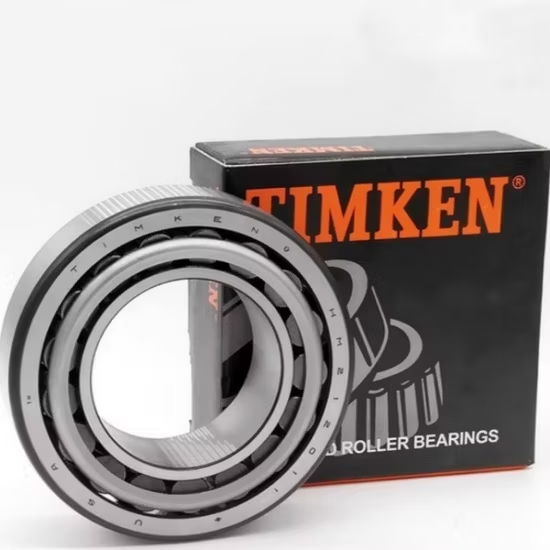
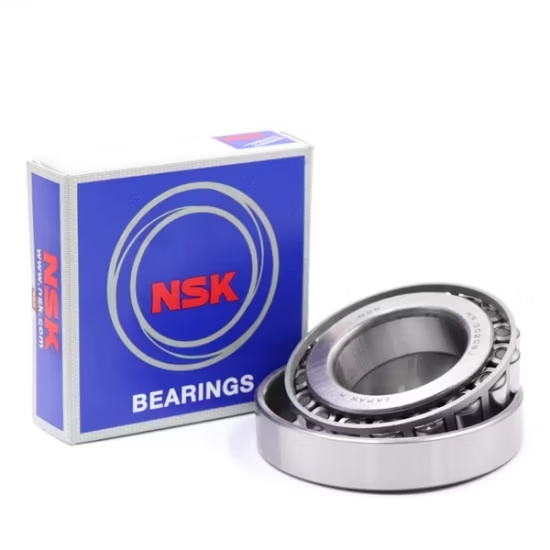
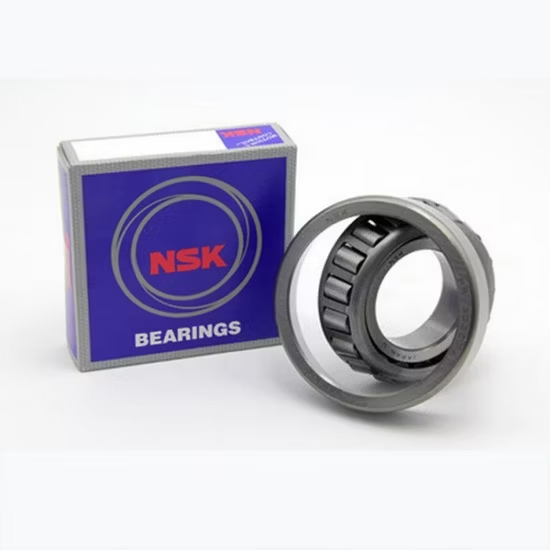
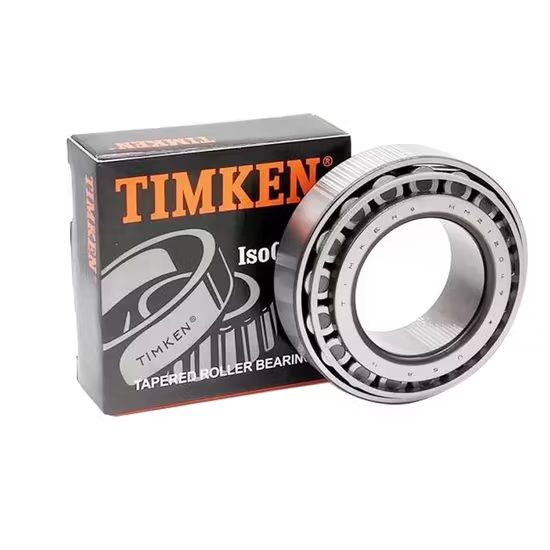
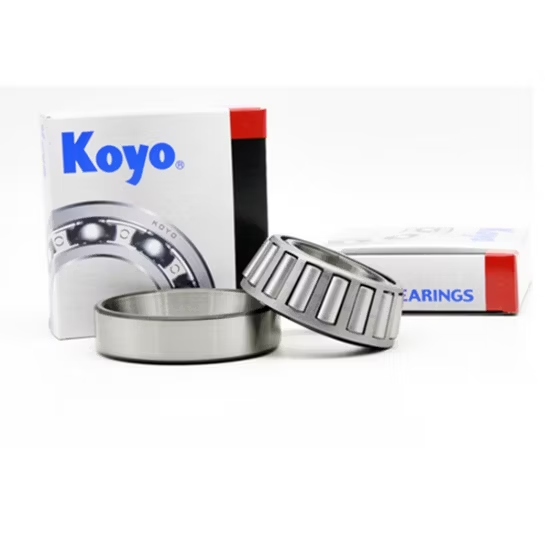
14118/14283 Inch Single Row Tapered Roller Bearing P4 — machined from GCr15 steel to handle combined radial and axial loads in industrial gearboxes.
Cross-reference alignment verified — We match internal geometry, precision class, and clearance rather than just the base number for this inch series component.
| Parameter | Value |
|---|---|
| Designation | 14118/14283 |
| Bearing Type | Inch Tapered Roller Bearing |
| Number of Rows | Single Row |
| Precision Class | P4 |
| Cage Material | Nylon / Brass / Iron options |
| Material | GCr15 bearing steel |
| Origin | Germany / Japan / Sweden / Malaysia / China |
| Industry | Typical Applications |
|---|---|
| Mining and Crushing | Crusher eccentric shafts and vibratory screen mechanisms |
| Automotive and Heavy Vehicle | Truck axles and heavy-duty wheel hub assemblies |
| Industrial Power Transmission | High-torque gearbox pinion shafts and reducer outputs |
Internal clearance and cage material must perfectly align with the specific thermal and load profile of the application.
During field deployments across Latin American mining sites, I have seen far too many equipment lockups caused by a simple cross-reference error. A crusher once suffered a complete shutdown under high ambient temperatures simply because the replacement unit had the wrong internal clearance, leading to thermal binding. When sourcing a 14118/14283 inch tapered roller bearing, matching the basic designation is never enough. Overlooking the required precision suffix or installing a standard cage where a heavy-duty brass design is needed will inevitably result in premature failure . Procurement engineers must verify that the internal geometry and tolerance class match the original equipment manufacturer's exact specifications to prevent unplanned downtime.
We do not just ship a box with the right number printed on it. Our technical team reviews your application parameters to ensure the selected configuration handles the actual radial and thrust loads. This rigorous cross-reference review prevents the costly mismatch that plagues standard catalog orders.
Heavy machinery environments subject components to severe shock loads and significant temperature fluctuations. Proper lubrication flow and the correct internal clearance are critical to accommodate thermal expansion without causing the rollers to skew or bind. Selecting the appropriate cage material ensures structural integrity even when vibration levels exceed standard operating baselines .
Achieving P4 precision in an inch-series component requires stringent manufacturing controls. This tighter tolerance band minimizes runout and ensures smoother load distribution across the roller paths. The GCr15 high-carbon chromium steel provides the necessary core hardness and contact fatigue resistance, while the available cage options allow engineers to optimize for either high-speed capability or maximum load-carrying capacity.
Installing a component that merely "fits" the housing but lacks the correct internal design leads to a cascade of mechanical issues. According to ISO 281 framework principles, inadequate clearance under heavy loads drastically reduces the calculated rating life. This often manifests as localized spalling, excessive heat generation, and eventual seizure, which not only destroys the bearing but can cause catastrophic damage to adjacent shafts and housings . The resulting warranty voidance and extended equipment downtime far outweigh any initial savings from buying unverified stock.
Our procurement strategy eliminates the guesswork from your maintenance schedule. Because we maintain authorized channels across major global brands, we consolidate mixed-brand requirements into single, traceable shipments. For inch-series components where visual inspection cannot reveal soft inner rings or cloned markings, our strict batch traceability protocols provide absolute certainty. We verify the exact cage material and precision class against the manufacturer's original production records, ensuring that what arrives at your dock is exactly what your engineering drawings demand.
To ensure the selected configuration perfectly matches your operational demands, please provide the specific radial and axial load profiles, operating speeds, and expected temperature ranges. If you are replacing an existing unit, sharing the original equipment manufacturer's part number allows our engineering team to perform a comprehensive cross-reference check. This technical validation guarantees that the internal design and clearance class align with your machinery's exact requirements.
Q: Why is cross-referencing more than just the base number critical for this component?
A: Matching only the base designation often overlooks crucial internal differences. Variations in internal clearance, cage material, or precision class can lead to thermal binding or cage failure under heavy loads. We verify these specific parameters to ensure exact interchangeability and prevent field seizures.
Q: How does P4 precision benefit heavy-duty applications compared to standard grades?
A: P4 precision provides significantly tighter control over dimensional and running accuracy. This minimizes internal vibration and ensures a more uniform load distribution across the rolling elements, which is essential for maintaining stability and extending service life in high-torque gearboxes and crusher mechanisms.
Q: How do I choose between nylon, brass, or iron cage options?
A: The choice depends on your specific operating environment. Brass cages offer superior strength and durability under heavy loads and high vibration, while nylon variants provide excellent high-speed performance and lower friction. We review your exact speed and load parameters to recommend the optimal configuration.
Q: What steps are taken to verify the authenticity of the supplied parts?
A: Every unit is sourced through authorized channels and backed by complete batch traceability. You can verify authenticity using the manufacturer's official application via QR codes. We also provide material test reports and dimensional inspection certificates to guarantee the product meets all specified engineering tolerances.
Q: What information is required to calculate the expected service life for my application?
A: To perform an accurate L10 life calculation, we need detailed operational data including radial and axial loads, rotational speed, operating temperature, and lubrication conditions. This allows our technical team to validate the selection and ensure reliable performance under your specific field conditions.
Our 5-step process ensures every order is engineered, validated, and supported for optimal performance.
Technical needs assessment
Custom specifications
Free samples for $50k+
Pre-shipment inspection
On-site & predictive
Our certified engineers respond within 24 hours with detailed technical specifications, pricing, and lead time information.