01
Consultation
Technical needs assessment


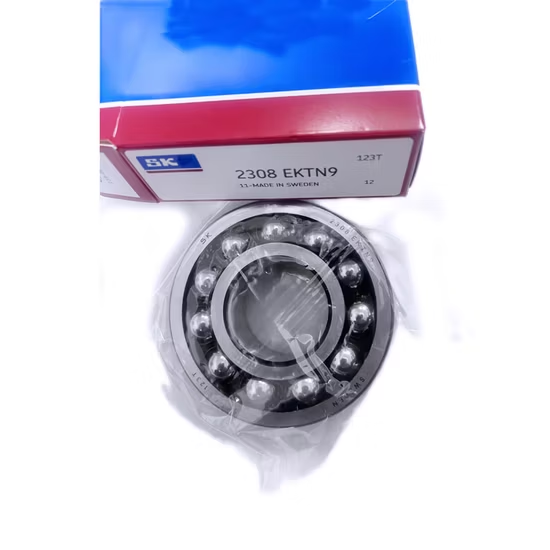
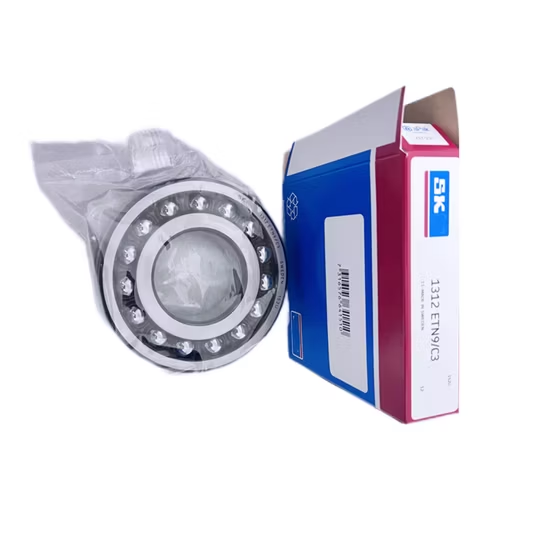


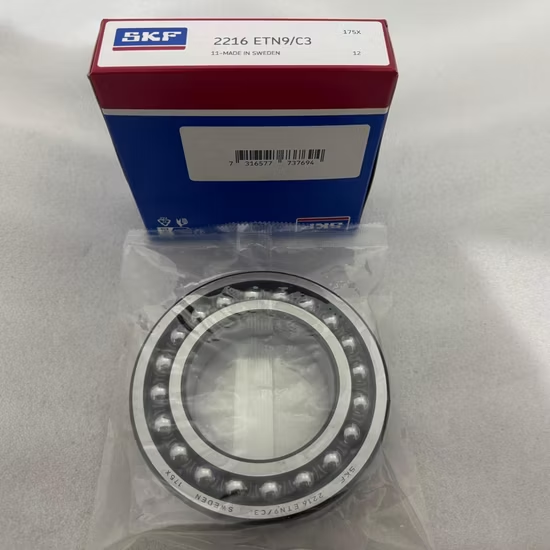
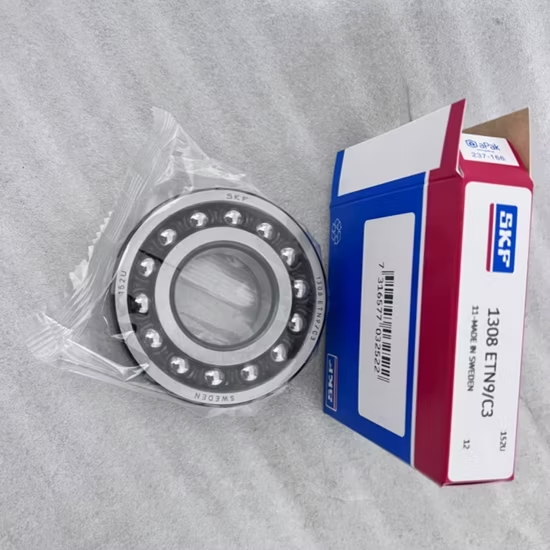
1310 Self-Aligning Ball Bearing 50×110×27 mm — accommodates shaft misalignment in electric motors and gearboxes.
Unified Multi-Brand Sourcing — Procure SKF, FAG, and NSK variants of this 50x110x27mm unit in a single consolidated shipment without juggling multiple vendors.
| Parameter | Value |
|---|---|
| Designation | 1310 |
| Bearing Type | Self-Aligning Ball Bearing |
| Bore Diameter (d) | 50 mm |
| Outside Diameter (D) | 110 mm |
| Width (B) | 27 mm |
| Seal or Shield Type | Open, Rubber Seals, Iron Seals |
| Origin | Germany, Japan, Sweden, Malaysia, China |
| Industry | Typical Applications |
|---|---|
| Electric Motors | Rotor shaft support accommodating minor mounting misalignment |
| Agricultural Machinery | Conveyor drive shafts and auger bearings in harvesting equipment |
| Material Handling | Idler roll journals and transfer belt tensioners |
Identical outer dimensions mean nothing when internal clearance ignores thermal expansion.
I have seen motors in Ningbo workshops seize completely because a standard clearance was forced into a high-temperature application. When procurement teams only check the base number, they miss the critical suffix differences. This oversight leads to thermal binding and catastrophic cage failure under load .
Sourcing the correct 1310 self-aligning ball bearing requires looking past the catalog number to evaluate the actual shaft deflection and mounting errors. Our technical review process cross-checks your specific load and speed parameters against the internal geometry. This ensures the selected variant handles the misalignment without generating excessive internal friction.
Shafts in agricultural and material handling equipment constantly flex under uneven radial loads, demanding a design that absorbs misalignment without binding. Elevated operating temperatures dictate the need for expanded internal clearance to prevent the rolling elements from skidding as the inner ring expands. Furthermore, environments heavily contaminated with crop dust or metallic particulates require physical barriers rather than open designs. Selecting the appropriate seal type prevents abrasive ingress while managing the friction heat generated by contact lips .
The defining feature of this bearing is the spherical outer ring raceway, which allows the inner ring and ball assembly to align freely with the outer ring. This geometry automatically compensates for angular misalignment arising from shaft deflection or machining tolerances in the housing. While the open variant allows for efficient oil bath lubrication in clean gearboxes, the rubber-sealed and iron-sealed options provide vital protection for exposed conveyor idlers. Standard pressed steel cages offer low mass for high-speed motor applications, whereas machined brass alternatives are available for heavy-vibration environments.
Installing a standard clearance unit in a high-heat motor application eliminates the operational gap, causing the balls to skid and generate immense friction. This thermal runaway rapidly degrades the lubricant and destroys the raceway. Such unplanned downtime halts entire production lines and voids equipment warranties. Following the failure analysis frameworks of ISO 15243, these incidents are classified as lubrication failures stemming directly from incorrect initial selection .
We maintain authorized distribution across all major international brands, allowing mixed-brand orders to ship together. Every unit features batch traceability to the manufacturer, verified via official brand apps to eliminate soft-ring counterfeits. Our cross-reference matching strictly aligns clearance and seal types, preventing the dangerous substitution of standard units where expanded clearance is required. We provide application-based selection reviews to ensure the internal design survives your specific temperature and load profile.
Share your specific radial and axial loads, operating speeds, and ambient temperatures so we can verify the L10 life and clearance class. Provide the OEM equipment number or the exact housing dimensions to ensure the cross-reference matches your physical space. Detailing the environmental contamination level allows our engineering team to recommend the optimal seal or shield variant for your application.
Q: Why must clearance and seal types be matched during cross-referencing?
A: Matching only the base 50x110x27mm dimensions ignores critical internal differences. A standard clearance unit will thermally seize in high-heat applications where expanded clearance is required. Similarly, swapping an iron shield for a rubber seal alters friction and speed limits. We align all suffixes to ensure the replacement survives your exact operating conditions without premature failure.
Q: How do I verify the authenticity of the QR codes on the packaging?
A: Counterfeiters often clone standard QR codes that redirect to fake verification websites. We supply genuine products with batch traceability that must be scanned using the specific manufacturer's official mobile application. This direct digital handshake confirms the metallurgical origin and production date, protecting your equipment from the catastrophic damage caused by soft inner rings.
Q: When should I choose rubber seals over iron shields for this bearing?
A: Iron shields provide a non-contact gap that handles high speeds but allows fine dust ingress. Rubber seals feature a contact lip that blocks severe agricultural or material handling contamination, though they generate slightly more friction and heat. We evaluate your specific environmental exposure and speed requirements to specify the correct physical barrier.
Q: What is the selection logic between standard and C3 clearance in electric motors?
A: Standard clearance suits ambient temperature applications with minimal thermal gradients. However, electric motor rotors generate significant internal heat, expanding the inner ring and reducing the operational gap. Specifying C3 clearance provides the necessary thermal expansion room to prevent the rolling elements from binding and skidding, ensuring reliable operation under continuous electrical loads.
Our 5-step process ensures every order is engineered, validated, and supported for optimal performance.
Technical needs assessment
Custom specifications
Free samples for $50k+
Pre-shipment inspection
On-site & predictive
Our certified engineers respond within 24 hours with detailed technical specifications, pricing, and lead time information.