01
Consultation
Technical needs assessment



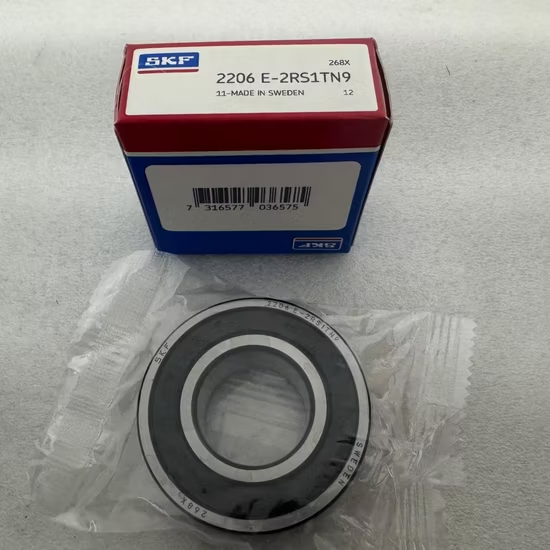
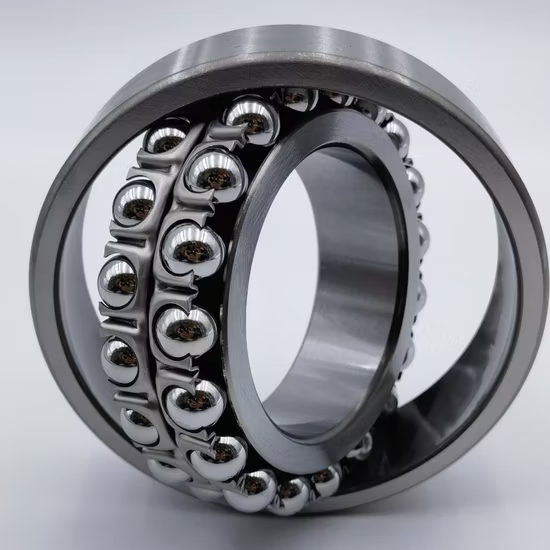
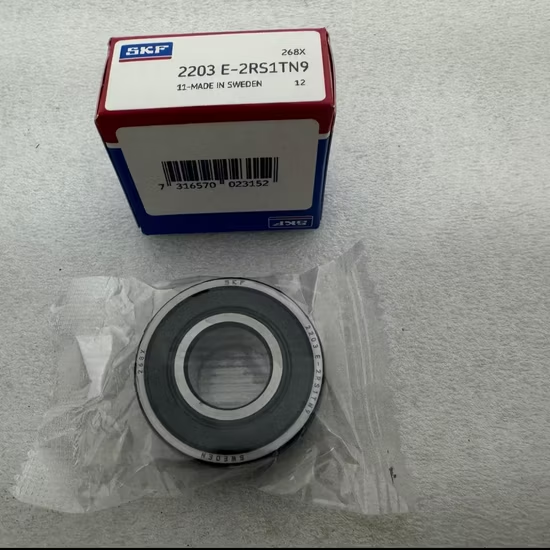
1218m Self-Aligning Ball Bearing — offered in open, rubber-sealed, and iron-shielded configurations to effectively manage diverse contamination and moisture levels in electric motors and industrial gearboxes.
Multi-Brand Sourcing — Consolidate mixed OEM requirements into a single shipment with full cross-brand traceability for every self-aligning ball bearing unit.
| Parameter | Value |
|---|---|
| Designation | 1218m |
| Bearing Type | Self-Aligning Ball Bearing |
| Seal or Shield Type | Open, Rubber Seals, Iron Seals |
| Origin | Germany, Japan, Sweden, Malaysia, China |
| HS Code | 848210 |
Note: The 'm' suffix is an unverified designation requiring manufacturer catalog confirmation prior to final procurement.
| Industry | Typical Applications |
|---|---|
| Electric Motors | Rotor shaft support in high-speed induction motors |
| Industrial Gearboxes | Output shaft alignment in helical and bevel gear reducers |
| Agricultural Machinery | Drive shafts in harvesters and conveyor augers subject to frame flex |
Matching the base number is only the first step; internal design alignment prevents field failures.
Procurement teams frequently approve cross-references that match the basic dimensions but overlook critical internal variations. When a 1218m self-aligning ball bearing is substituted with a standard clearance or pressed steel cage variant in a high-temperature environment, the resulting thermal expansion causes severe binding. I have witnessed entire production lines halt because a replacement unit lacked the correct internal geometry, leading to rapid cage disintegration under continuous operational heat .
Securing the correct 1218m self-aligning ball bearing requires looking past the outer dimensions to evaluate how the internal components handle specific operational stresses. Our technical review process ensures that the selected unit matches the exact load distribution and thermal expansion requirements of your equipment. We verify that the internal curvature and cage design are fully compatible with the target application before confirming any cross-brand substitution.
Shaft deflection and housing misalignment are inherent in heavy-duty applications, demanding a bearing that can self-adjust without generating excessive internal friction. When operating at elevated temperatures, standard internal clearances quickly disappear as the shaft expands, leading to premature fatigue. Selecting the appropriate seal configuration—whether open for external lubrication, rubber-sealed for moisture exclusion, or iron-shielded for coarse dust protection—is equally critical to prevent contaminant ingress that degrades the lubricant .
The performance of a self-aligning ball bearing relies heavily on the interaction between the cage material and the internal clearance class. A machined brass cage provides superior stability and heat dissipation at higher speeds compared to pressed steel, while polyamide variants offer lower friction in moderate conditions. The clearance class must be meticulously matched to the operating temperature and shaft interference fit; installing a standard clearance unit where an expanded clearance is required will inevitably result in operational seizure once the machinery reaches its thermal equilibrium.
Overlooking suffix variations during the procurement phase frequently results in catastrophic damage to surrounding machinery components. According to failure analysis frameworks like ISO 15243, a significant share of premature bearing failures stems from incorrect internal clearance selection rather than material defects. When a substituted unit fails to accommodate thermal expansion, the resulting unplanned downtime and secondary damage to shafts and housings far exceed the initial savings of a cheaper, incorrectly specified alternative .
Our cross-reference methodology strictly aligns internal clearance, cage material, and precision suffixes, eliminating the risk of receiving a dimensionally correct but functionally incompatible unit. We provide authorized coverage across all major global brands, allowing you to consolidate mixed-brand requirements into a single, fully documented shipment. Every batch is backed by comprehensive traceability, ensuring that the units you receive can be independently verified against the manufacturer's original production records. We also conduct application-based selection reviews to confirm that the proposed specifications can withstand your specific load, speed, and temperature parameters.
To ensure the selected bearing configuration perfectly matches your operational requirements, please provide the specific radial and axial loads, operating speeds, and expected temperature ranges. Sharing the original OEM equipment number allows our engineering team to perform a precise cross-reference check, verifying that all internal design parameters align with the factory specifications. This technical validation ensures you receive a solution engineered for maximum service life in your specific application.
Q: What internal parameters must align when cross-referencing the 1218m with variants like the 2218m or 1318m?
A: Beyond basic boundary dimensions, you must verify the internal clearance class, cage material, and precision grade. A mismatch in these parameters can lead to thermal binding or cage failure under load. Our technical review ensures all internal design elements match your specific operational demands before finalizing any cross-brand substitution.
Q: How can I verify the authenticity and traceability of the delivered self-aligning ball bearings?
A: Every unit we supply includes batch traceability documentation and a Certificate of Conformity. You can verify authenticity by scanning the packaging and bearing markings using the manufacturer's official mobile application. This process confirms the origin and rules out counterfeit products with cloned QR codes or substandard metallurgy.
Q: Which seal type is optimal for agricultural machinery operating in high-dust environments?
A: For heavy dust and debris exposure, iron shields or robust rubber seals are typically recommended to prevent contaminant ingress. Open bearings require frequent relubrication and external sealing solutions. We evaluate your specific environmental conditions to recommend the most effective sealing configuration for maximum service life.
Q: How do you handle cross-brand substitutions when the original designation has extended lead times?
A: We identify authorized equivalents from our multi-brand portfolio, ensuring the substitute matches the original in internal clearance, cage design, and load capacity. This prevents the common pitfall of accepting a dimensionally identical bearing that fails prematurely due to incompatible internal geometry or material specifications.
Q: What is the significance of the 'm' suffix on this specific bearing designation?
A: The 'm' suffix is an unverified designation that requires manufacturer catalog confirmation. While it often indicates a machined brass cage in certain brand nomenclatures, relying on assumptions can lead to misapplication. We always verify the exact suffix meaning with the specific manufacturer's technical documentation before procurement.
Our 5-step process ensures every order is engineered, validated, and supported for optimal performance.
Technical needs assessment
Custom specifications
Free samples for $50k+
Pre-shipment inspection
On-site & predictive
Our certified engineers respond within 24 hours with detailed technical specifications, pricing, and lead time information.