01
Consultation
Technical needs assessment

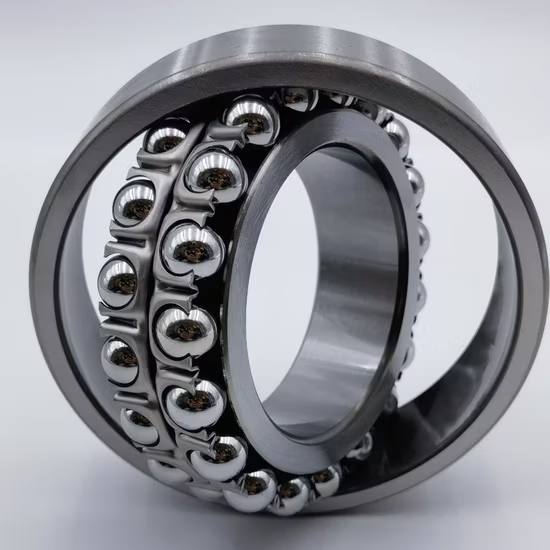
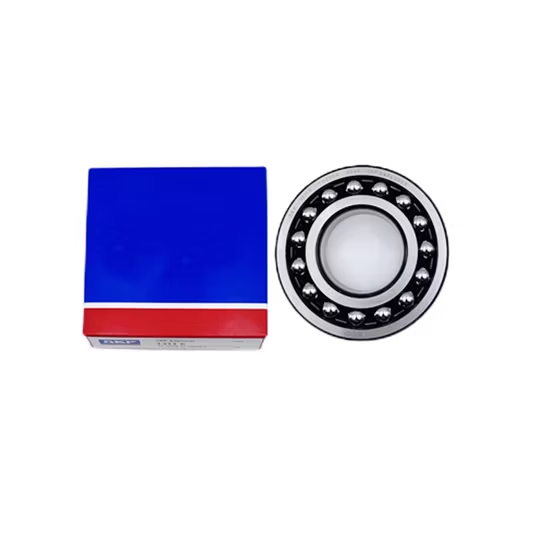


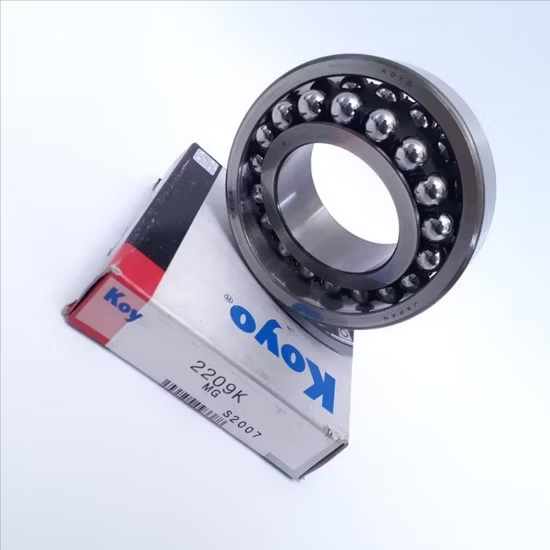
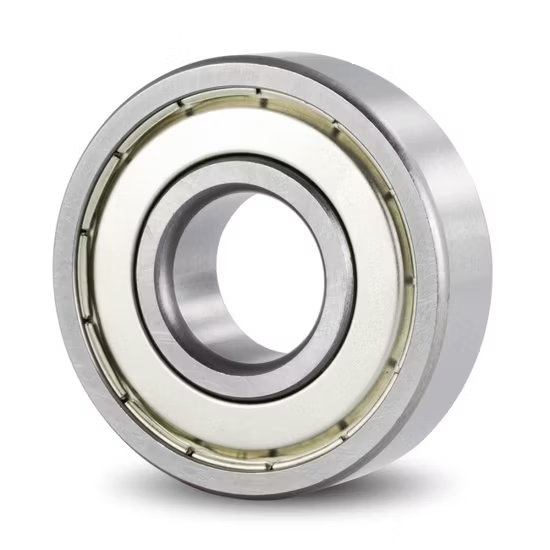
1210etn9 Self-Aligning Ball Bearing
Consolidated multi-brand sourcing — procuring the 1210etn9 alongside other required international brands in a single shipment eliminates multi-vendor coordination delays and simplifies customs clearance.
| Parameter | Value |
|---|---|
| Designation | 1210etn9 |
| Product Type | Self-Aligning Ball Bearing |
| Bore Diameter (d) | 50 mm |
| Outside Diameter (D) | 90 mm |
| Width (B) | 20 mm |
| Dynamic Load Rating (C) | 26500 N |
| Static Load Rating (C₀) | 9150 N |
| Reference Speed | 16000 r/min |
| Limiting Speed | 10000 r/min |
| Seal or Shield Type | Open, Rubber Seals, Iron Seals |
| Origin | Germany, Japan, Sweden, Malaysia, China |
| HS Code | 848210 |
Note: The etn9 suffix is an unverified designation requiring manufacturer catalog confirmation for exact internal geometry and cage material specifications.
| Industry | Typical Applications |
|---|---|
| Electric Motors | Rotor shaft support where slight misalignment occurs during high-speed operation |
| Industrial Gearboxes | Intermediate shaft mounting subject to housing deflection under heavy torque |
| Material Handling | Conveyor pulley bearings exposed to continuous radial loads and shaft bending |
| Pumps | Impeller shaft support accommodating thermal expansion and minor casing distortion |
Ignoring polyamide cage thermal limits during high-speed motor operation guarantees premature failure.
In the Dongguan trading circuit, I have seen procurement teams treat the 1210etn9 self-aligning ball bearing as a generic deep groove equivalent, completely overlooking the cage material implications. One electric motor manufacturer sourced standard steel-cage replacements for a high-RPM application, ignoring the specific polymer cage requirements. The resulting friction and inadequate heat dissipation caused the cage to melt and the rotor to seize within weeks. Suffix alignment is not a paperwork exercise; it dictates the physical survival of the assembly under dynamic thermal loads .
Selecting the correct variant of the 1210etn9 self-aligning ball bearing requires matching the seal and internal clearance to the specific motor or gearbox environment. Our technical review process verifies that the chosen configuration handles the exact radial loads and misalignment angles present in your equipment, preventing the inner ring from binding against the rolling elements when the shaft deflects under operational stress.
High-speed electric motors generate substantial internal heat, demanding adequate internal clearance to accommodate thermal expansion of the shaft and housing. If the clearance class is too tight, the rolling elements will skid and generate excessive friction. Conversely, conveyor systems in material handling facilities face severe particulate contamination, necessitating robust sealing solutions. Choosing between open, rubber-sealed, or iron-shielded variants dictates whether the lubricant survives the operational environment or degrades into an abrasive paste .
The self-aligning capability stems from the spherical outer ring raceway, allowing the inner ring and ball assembly to pivot slightly and compensate for shaft misalignment or housing machining errors. The reference speed of 16000 r/min indicates excellent high-speed potential, provided the correct lubrication and cage design are utilized. The availability of open, rubber, and iron seal options allows engineers to balance friction against contamination protection. Open variants rely on external housing seals and oil bath lubrication for maximum speed, while rubber seals offer superior moisture exclusion at the cost of slightly higher rotational friction and lower speed limits.
Substituting a base-number match while ignoring internal design differences leads to catastrophic equipment damage and unplanned downtime. When a standard clearance bearing is forced into a high-temperature motor application, thermal expansion eliminates the internal operating gap, causing the bearing to lock up and destroy the shaft journal. These failures void equipment warranties and trigger massive secondary repair costs across the drivetrain, proving that precise suffix verification is vastly cheaper than emergency maintenance .
We maintain authorized distribution across all major international brands, ensuring your 1210etn9 self-aligning ball bearing order is fulfilled with genuine components. Cross-referencing to equivalents like the 1210s is executed by verifying internal clearance and cage specifications, not just the basic dimensions. Every shipment includes batch traceability to the manufacturer, eliminating the risk of receiving counterfeit units with soft inner rings that pass casual visual checks but fail under load. Our application-based selection review prevents the costly mistake of installing standard precision grades in high-speed spindle applications.
Provide your specific radial and axial load profiles, operating temperatures, and rotational speeds so our engineering team can validate the L10 life and clearance requirements. If you are replacing an existing component, share the OEM equipment number or the exact nameplate data to ensure the cross-reference aligns perfectly with the original internal design. Supplying details about the environmental exposure helps us confirm whether the open, rubber-sealed, or iron-shielded configuration will deliver the most reliable service life.
Q: Why does a matching base number still cause equipment failure?
A: A matching base number only confirms the external dimensions. If the internal clearance, cage material, or precision suffix differs from the original equipment requirement, the bearing will either overheat due to thermal binding or fail to support the dynamic loads, leading to rapid cage fracture and unplanned downtime.
Q: How can I verify the authenticity of the supplied bearings?
A: Every genuine unit features specific batch markings and QR codes that can be scanned using the manufacturer's official mobile application. We also provide a Certificate of Conformity and original batch traceability documents that link the physical product directly back to the factory's production records.
Q: How do I choose between open, rubber, and iron seals?
A: Open bearings are ideal for high-speed applications where external housing seals and continuous oil lubrication are present. Rubber seals provide the best protection against moisture and fine dust but generate slightly more friction. Iron shields offer a middle ground, protecting against larger debris while maintaining higher speed capabilities than contact rubber seals.
Q: What does the etn9 suffix indicate on this specific model?
A: While standard nomenclature often uses specific letters to denote polyamide cages or internal clearance classes, the etn9 suffix is an unverified designation that requires direct manufacturer catalog confirmation. We always cross-check this against the official engineering drawings to ensure the internal geometry matches your application parameters.
Q: What is the correct method for mounting this self-aligning bearing?
A: For cylindrical bore variants, induction heating is the preferred method to expand the inner ring evenly without damaging the cage. The outer ring must be fitted with a slightly loose tolerance in the housing to allow it to slide and self-align, compensating for any shaft deflection or minor misalignment during operation.
Our 5-step process ensures every order is engineered, validated, and supported for optimal performance.
Technical needs assessment
Custom specifications
Free samples for $50k+
Pre-shipment inspection
On-site & predictive
Our certified engineers respond within 24 hours with detailed technical specifications, pricing, and lead time information.