01
Consultation
Technical needs assessment

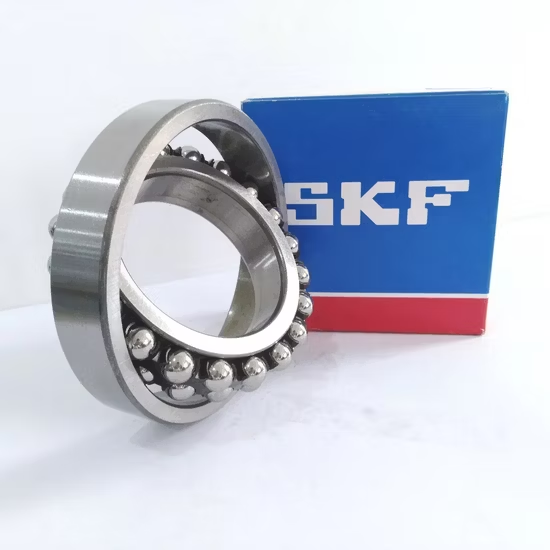
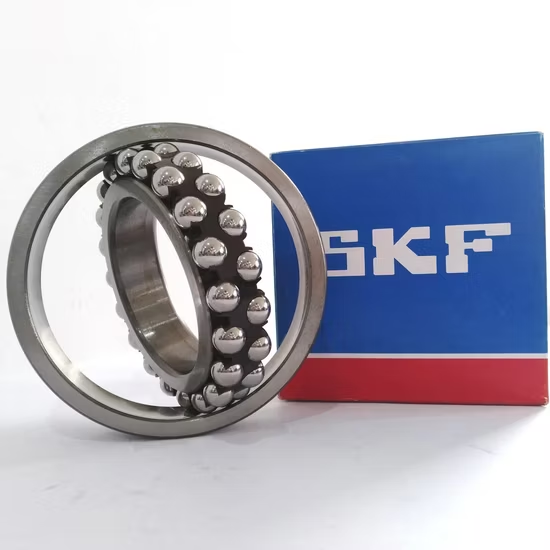
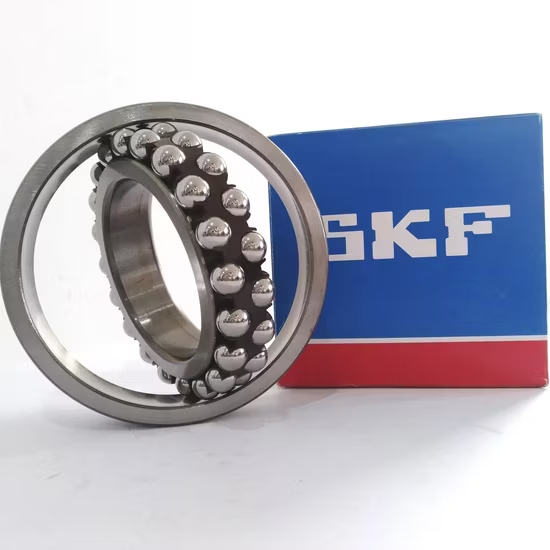
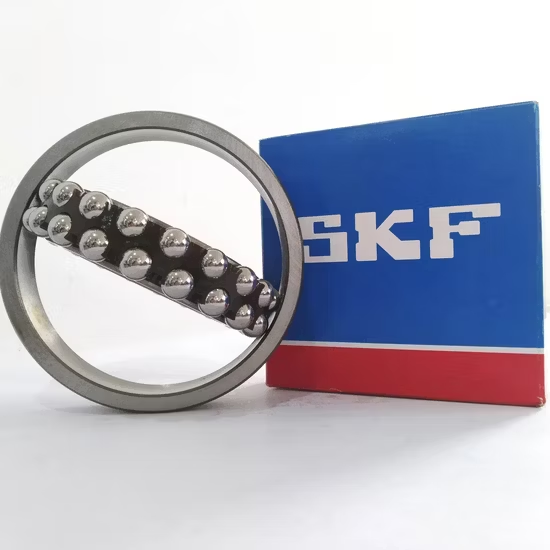
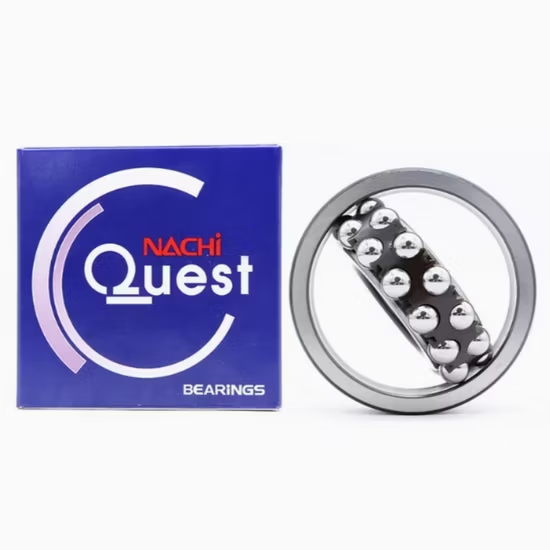
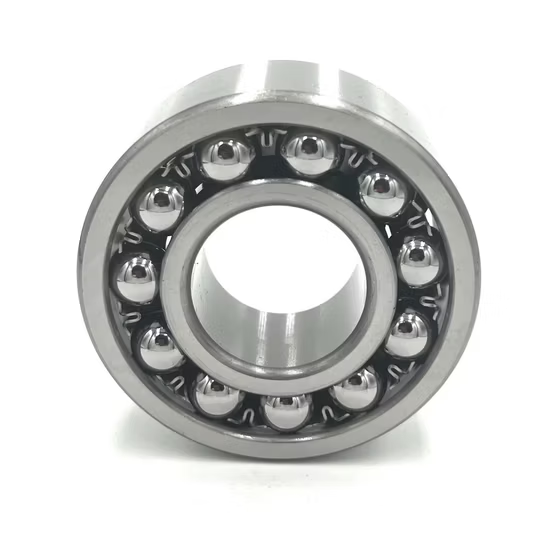
1200 2305 K Etn9 Self-Aligning Ball Bearing — Features a 1:12 tapered bore for secure adapter sleeve mounting and a glass fibre reinforced polyamide cage for high-speed operation.
Multi-Brand Authorized Sourcing — Consolidate mixed-brand requirements into a single shipment while maintaining strict suffix accuracy for tapered bore and polyamide cage specifications.
| Parameter | Value |
|---|---|
| Designation | 1200 2305 K Etn9 |
| Bearing Type | Self-Aligning Ball Bearing |
| Bore Type | Tapered (1:12) |
| Cage Material | Glass fibre reinforced polyamide |
| Seal or Shield Type | Open / Rubber Seals available |
| Origin | Germany / Japan / Sweden / Malaysia / China |
| HS Code | 848210 |
Note: The 'E' suffix remains unverified and requires manufacturer catalog confirmation prior to final order placement.
| Industry | Typical Applications |
|---|---|
| Electric Motors | Rotor shaft support accommodating minor housing misalignment |
| Industrial Gearboxes | Intermediate shaft mounting where operational deflection occurs |
| Agricultural Machinery | Conveyor drive shafts exposed to dust and dynamic radial loads |
| Textile Machines | Spindle drives requiring low-noise and high-speed operation |
Matching the base number is never enough when high-speed rotation meets thermal expansion.
Procurement teams often approve orders based solely on the basic designation, ignoring the critical suffix combinations that dictate actual field performance. I once investigated a batch of motorcycle main shafts in the Pearl River Delta supply chain where a cage material mismatch led to high-speed disintegration and massive returns . When a 1200 2305 K Etn9 self-aligning ball bearing is specified, the glass fibre reinforced polyamide cage is not a mere suggestion; it is engineered for specific speed limits and vibration dampening. Substituting it with a standard stamped steel cage alters the thermal dynamics, eventually causing the cage to fracture under continuous operational stress.
Deploying a 1200 2305 K Etn9 self-aligning ball bearing in electric motors or agricultural conveyors demands precise alignment between the component's internal geometry and the application's physical realities. Our technical review process goes beyond simple catalog matching, verifying that the tapered bore and polyamide cage combination aligns with your specific operational parameters. This prevents the all-too-common scenario where a correct base number fails prematurely because the internal clearance or cage material was never validated against the actual working environment.
Shafts in industrial gearboxes and textile machinery frequently experience dynamic radial loads combined with minor housing deflections that rigid bearings cannot tolerate. The self-aligning capability compensates for these angular misalignments, but the internal components must also survive elevated operational temperatures that degrade standard lubricants . Furthermore, agricultural environments introduce abrasive dust, making the choice between open designs and rubber seals critical for preventing contamination. Selecting the wrong seal type increases friction heat, while omitting seals entirely invites particulate ingress that rapidly destroys the raceway finish.
The "K" suffix dictates a 1:12 tapered bore, meaning this component is designed to be mounted on an adapter sleeve rather than pressed directly onto a cylindrical shaft. This mounting method allows for precise adjustment of internal radial clearance during installation, which is vital for preventing thermal binding when the shaft expands under load. Meanwhile, the "TN9" designation confirms the use of a glass fibre reinforced polyamide cage. This specific polymer matrix offers an optimal balance of low friction, high-speed capability, and vibration dampening compared to heavier brass alternatives, ensuring smooth operation in precision spindle drives and high-speed motor applications.
Ignoring suffix details during cross-referencing inevitably leads to unplanned downtime and severe equipment damage. If a standard cylindrical bore bearing is forced into an application requiring a tapered interface, the mounting integrity is completely compromised, leading to catastrophic slippage. Similarly, deploying a cage material that cannot withstand the operational temperature threshold results in sudden seizure . These are not minor inconveniences; they are systemic procurement failures that void warranties, halt production lines, and destroy the credibility of the maintenance team responsible for the asset.
Sourcing this exact designation requires verifying that the K and TN9 suffixes are physically present and not just printed on a cloned box. We provide cross-referencing that matches clearance, cage material, and bore type simultaneously, eliminating the risk of receiving a visually similar but internally incompatible component. Our inventory covers all major international brands, allowing you to consolidate mixed-brand orders without sacrificing strict adherence to the required suffix architecture. Every shipment is backed by batch traceability to the original manufacturer, ensuring that the polyamide cage and tapered bore meet the exact engineering standards your equipment demands.
To ensure the 1200 2305 K Etn9 self-aligning ball bearing is the optimal choice, provide your radial and axial load profiles, operational speeds, and expected temperature ranges for a comprehensive L10 life calculation. If you are replacing an existing component, share the OEM equipment number or the exact designation from the nameplate so our engineering team can verify the cross-reference. This technical review guarantees that the tapered bore and polyamide cage specifications perfectly match your machinery's physical constraints and performance expectations.
Q: Why must cross-referencing include clearance, cage material, and bore type suffixes?
A: Base numbers only define outer dimensions. Suffixes like K and TN9 dictate internal geometry and material composition. Ignoring them leads to thermal binding or cage failure because the bearing cannot handle the specific speed, load, or thermal expansion of your application.
Q: What are the mounting requirements for bearings with a 1:12 tapered bore?
A: Tapered bore bearings require an adapter sleeve and locknut assembly. The locknut must be tightened precisely to reduce internal radial clearance to the optimal operational level, preventing both excessive play and thermal binding during shaft expansion.
Q: How to verify bearing authenticity using official brand QR apps?
A: Scan the QR code on the packaging using the specific manufacturer's official mobile application. The app will verify the batch and lot traceability data against the central database, confirming the product is genuine and not a counterfeit with cloned packaging.
Q: What are the selection boundaries for polyamide versus brass cages in high-temperature environments?
A: Glass fibre reinforced polyamide cages excel in high-speed, low-noise applications but have strict upper thermal limits. If your operating environment consistently exceeds these thermal boundaries, a brass cage alternative must be evaluated to prevent cage deformation and sudden seizure.
Q: How to identify and prevent cross-reference errors that lead to field cage failure?
A: Always verify the complete designation, including every suffix, against the OEM manual. Relying on basic dimension matching often results in installing a standard steel cage where a specialized polymer or brass cage was engineered, causing rapid fatigue and catastrophic field failure.
Our 5-step process ensures every order is engineered, validated, and supported for optimal performance.
Technical needs assessment
Custom specifications
Free samples for $50k+
Pre-shipment inspection
On-site & predictive
Our certified engineers respond within 24 hours with detailed technical specifications, pricing, and lead time information.


