01
Consultation
Technical needs assessment


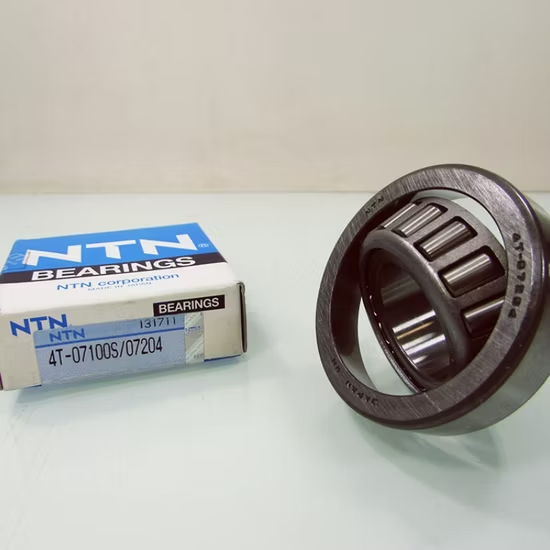
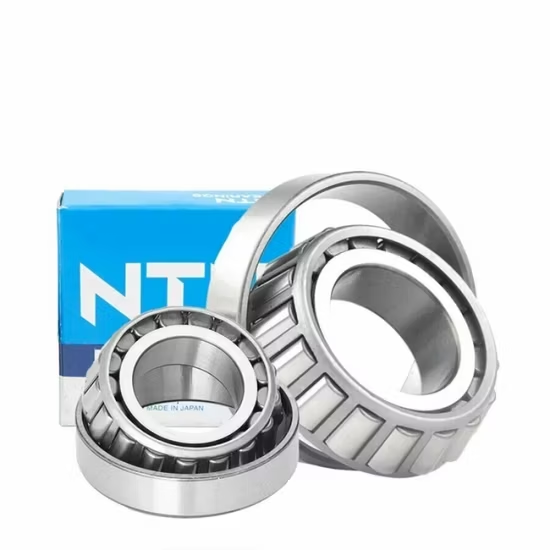
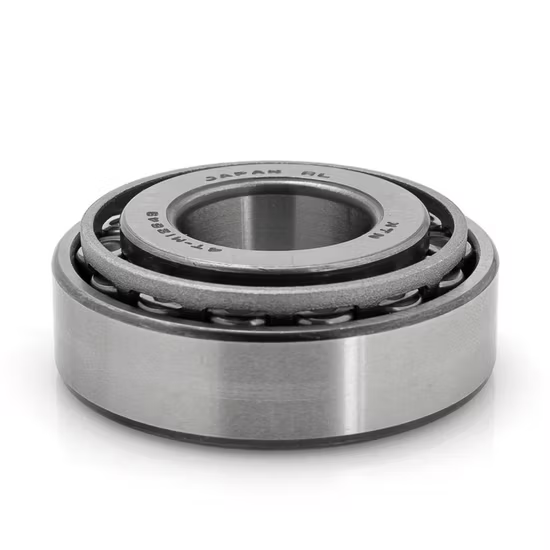
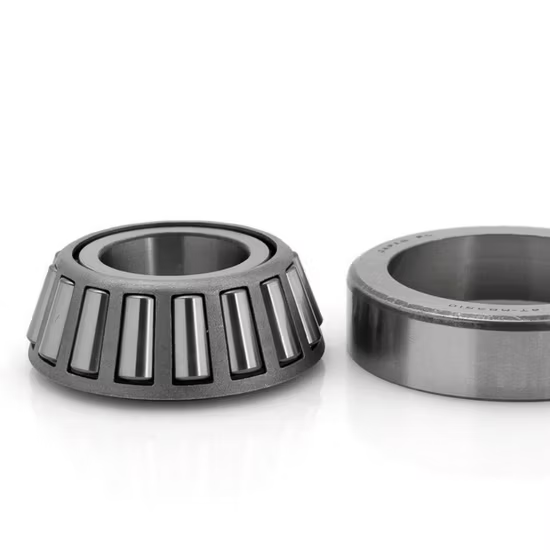
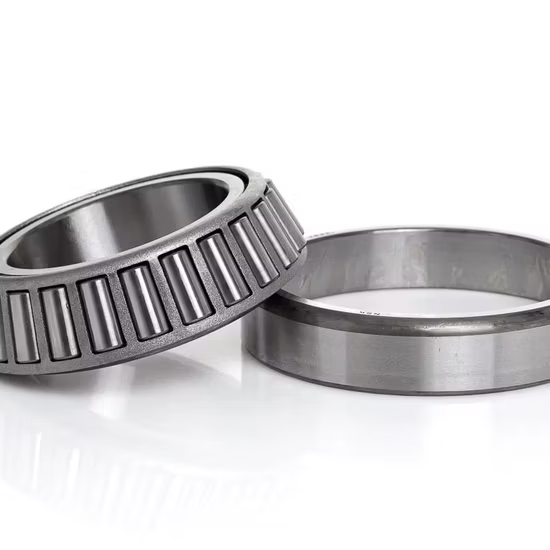
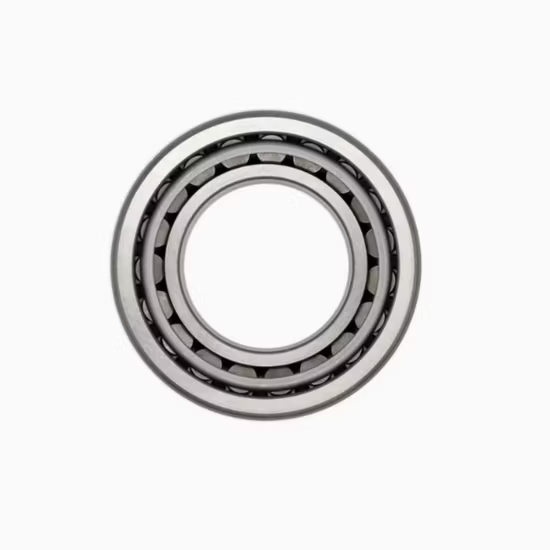
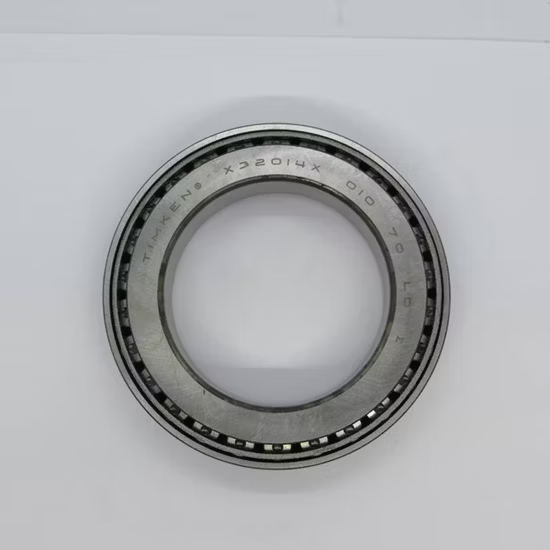
07100/07204 Single Row Inch Tapered Roller Bearing — engineered with P4 precision class for strict dimensional and running accuracy control in demanding applications.
Cross-reference alignment verified — We match base numbers, internal geometry, and precision suffixes to prevent field failures in heavy-duty axles.
| Parameter | Value |
|---|---|
| Designation | 07100/07204 |
| Bearing Type | Inch Tapered Roller Bearing |
| Number of Rows | Single Row |
| Precision Class | P4 |
| Cage Material Options | Nylon, Brass, or Pressed Steel |
| Material | GCr15 Bearing Steel |
| HS Code | 8482500090 |
| Industry | Typical Applications |
|---|---|
| Automotive & Heavy Vehicles | Wheel hubs, truck axles, trailer spindle assemblies |
| Industrial Power Transmission | Heavy-duty gearboxes, reduction drive shafts |
| Material Handling | Forklift mast rollers, conveyor drive pulleys |
| Construction & Building Materials | Mixer drum drives, crusher eccentric shafts |
Matching only the base designation while ignoring inch-series tolerance stacks guarantees premature seizure.
In heavy transport and material handling, procurement teams often source replacements by cross-referencing the basic cone and cup numbers alone. This oversight ignores the critical internal geometry and precision suffixes required for the specific housing fit. When an 07100/07204 inch tapered roller bearing is installed with incorrect internal clearance or the wrong cage material for the operating temperature, the roller paths experience severe edge loading. I have seen truck axles completely烧毁 (burn out) on Latin American mining routes simply because the replacement cone lacked the precise P4 running accuracy needed to maintain the oil film under high-speed radial shocks .
Selecting the right internal configuration for this specific inch series component requires looking beyond the catalog number. The 07100/07204 inch tapered roller bearing must handle combined radial and axial loads typical in wheel hubs and industrial gearboxes. By verifying the exact cage material and precision class against the OEM equipment manual, we ensure the bearing withstands the specific vibration frequencies and shock loads of your application, preventing the cage from fracturing under sudden torque reversals.
In demanding environments like cement plants or outdoor mining sites, temperature fluctuations drastically alter the housing and shaft dimensions. If the initial mounting preload does not account for the thermal expansion of the GCr15 steel components, the bearing will either run too loose, causing roller skidding, or too tight, leading to catastrophic thermal binding. Proper lubrication intervals and selecting the correct seal or shield variant are equally vital to keep abrasive dust out of the roller paths while minimizing churning friction at higher rotational speeds .
The designation 07100 refers specifically to the inner ring (cone), while 07204 designates the outer ring (cup). In inch-series tapered roller bearings, these components are engineered to carry heavy combined loads through the precise angle of the roller paths. The P4 precision class indicates that the dimensional and running accuracy of both the cone and cup are held to much tighter tolerances than standard commercial grades, which is essential for minimizing vibration in high-speed gearboxes. Furthermore, the availability of nylon, brass, or pressed steel cage options allows engineers to optimize the bearing for specific speed and load profiles; brass cages typically offer superior durability under high shock loads, while engineered polymer cages reduce weight and friction at elevated speeds.
Substituting a standard precision bearing where a P4 grade is required might save money on the initial purchase order, but it inevitably leads to unplanned downtime. When the internal geometry does not perfectly match the shaft and housing tolerances, the resulting misalignment accelerates fatigue spalling on the raceways. This premature failure not only destroys the bearing but can also score the expensive axle shaft or gearbox housing, leading to catastrophic damage and voiding the original equipment manufacturer's warranty .
Sourcing this specific inch-series component requires more than just checking stock availability. We prioritize cross-referencing the exact internal design variants, ensuring the cone and cup pairing matches your equipment's original preload requirements. Our batch traceability confirms the GCr15 material origin, while our application-based selection review checks your operating temperature and load data to recommend the optimal cage material. This technical scrutiny prevents the all-too-common field failures caused by soft inner rings or mismatched clearance classes in counterfeit or loosely specified replacements.
To ensure the selected components perfectly match your machinery, please provide the exact radial and axial load profiles, operating speeds, and housing dimensions. Sharing the OEM equipment number or the original manufacturer's part number allows our engineering team to perform a comprehensive cross-reference check. This data enables us to verify the required precision class and cage material, guaranteeing the replacement integrates flawlessly into your existing assembly.
Q: Why must cross-referencing align more than just the base 07100/07204 numbers?
A: Matching only the base numbers ignores critical internal geometry, cage materials, and precision suffixes. An incorrect internal design will cause thermal binding or cage failure under load. We verify the exact cone and cup pairing, ensuring the P4 precision and material specifications match your equipment's original engineering requirements to prevent premature field failures.
Q: What does the P4 precision class mean for this inch tapered roller bearing?
A: The P4 class indicates significantly tighter control over dimensional and running accuracy compared to standard grades. For the 07100/07204 inch tapered roller bearing, this high precision minimizes vibration, reduces heat generation, and ensures a stable oil film under high-speed or heavy-load conditions, which is critical for applications like industrial gearboxes and precision wheel hubs.
Q: How do I choose between nylon, brass, or pressed steel cages?
A: The choice depends on your specific operating environment. Brass cages offer excellent durability and resistance to high shock loads and elevated temperatures. Pressed steel cages are cost-effective for standard applications, while nylon cages reduce friction and weight, making them ideal for higher-speed operations where minimizing heat generation is a primary concern.
Q: How can I verify the authenticity and material origin of the bearing?
A: We provide comprehensive documentation, including a Certificate of Conformity and material test reports. You can also use the manufacturer's official mobile app to scan the QR code on the packaging. This instantly verifies the batch traceability, confirming the GCr15 steel origin and ensuring the components are genuine, authorized products.
Q: What tools and temperature limits apply when mounting the inner ring?
A: The 07100 inner ring should be mounted using an induction heater to expand the bore evenly. It is crucial to monitor the heating process and avoid exceeding the thermal limits of the GCr15 bearing steel, which could soften the raceways. Never use open flames, and always apply the correct mounting force to the inner ring, never the outer cup or cage.
Our 5-step process ensures every order is engineered, validated, and supported for optimal performance.
Technical needs assessment
Custom specifications
Free samples for $50k+
Pre-shipment inspection
On-site & predictive
Our certified engineers respond within 24 hours with detailed technical specifications, pricing, and lead time information.