01
Consultation
Technical needs assessment

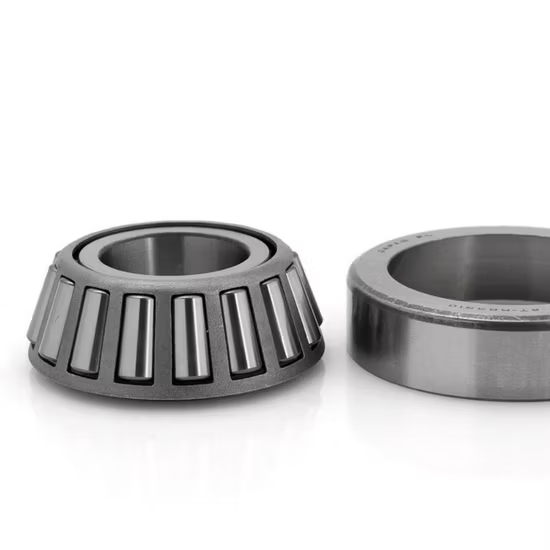
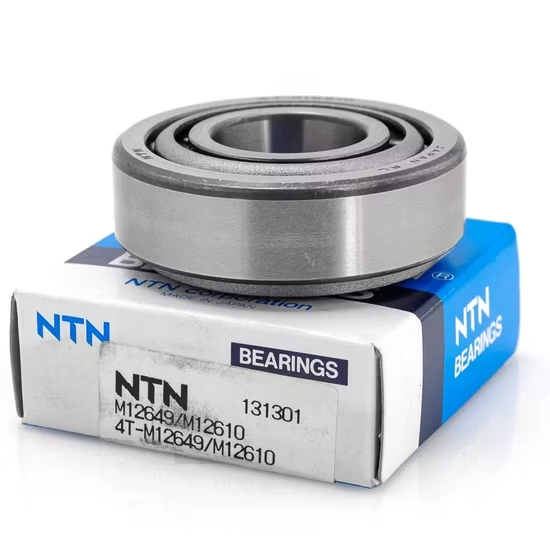
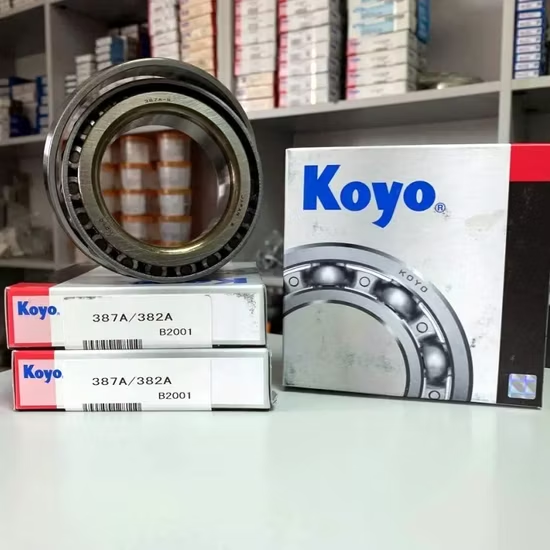


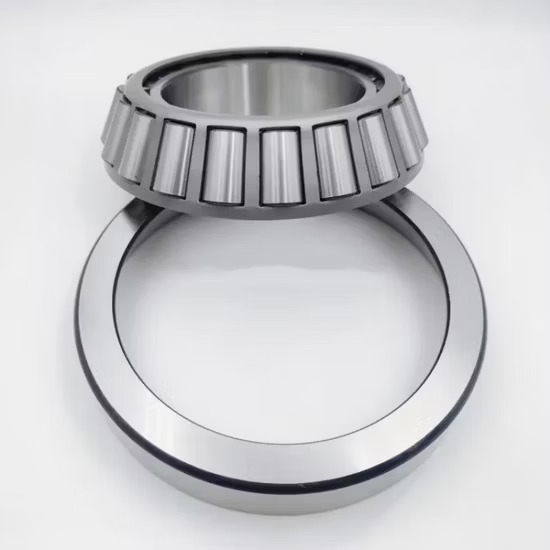
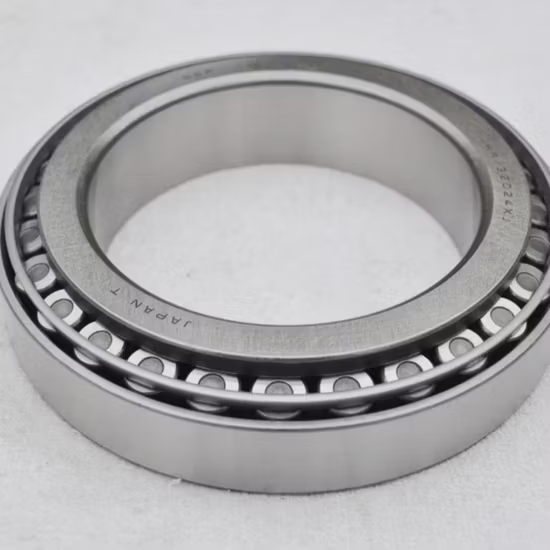
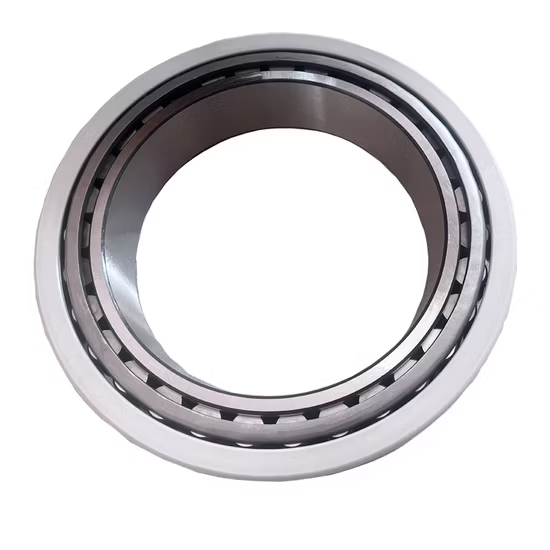
02474/20 Tapered Roller Bearing P4 — engineered for automotive wheel hubs and industrial gearboxes requiring high accuracy.
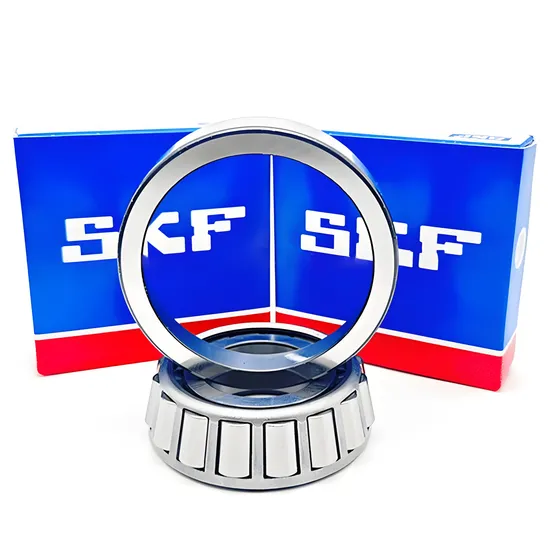
Multi-brand authorized coverage — Consolidate mixed OEM requirements into a single shipment without juggling multiple suppliers for your drivetrain components.
| Parameter | Value |
|---|---|
| Designation | 02474/20 |
| Bearing Type | Tapered Roller Bearing |
| Precision Class | P4 |
| Material | GCr15 high-carbon chromium bearing steel |
| Cage Material | Available in Nylon, Brass, or Iron variants |
| Origin | Germany / Japan / Sweden / Malaysia / China |
/20 is an unverified suffix requiring manufacturer catalog confirmation before finalizing the order.
| Industry | Typical Applications |
|---|---|
| Automotive & Heavy Vehicles | Heavy-duty truck differential assemblies, commercial vehicle wheel hubs |
| Industrial Power Transmission | Heavy-load industrial gearbox shaft supports, marine propulsion drives |
| Construction & Materials | Concrete mixer drum drives, heavy-duty conveyor pulley bearings |
Base designation matches rarely guarantee field survival when internal clearances are ignored.
Cross-reference errors frequently stop at matching the basic cone and cup numbers while overlooking critical internal geometry and cage materials. When a standard clearance is installed in an application demanding thermal expansion allowances, the resulting friction generates rapid heat buildup. Field teardowns often reveal discolored rolling elements and seized cages, turning a routine maintenance task into a catastrophic axle failure . Sourcing a genuine 02474/20 tapered roller bearing requires verifying the exact internal design to prevent these thermally induced breakdowns.
Heavy vehicle repair shops and gearbox rebuilders need components that maintain strict alignment under severe shock loads. The 02474/20 tapered roller bearing achieves P4 precision, providing tighter dimensional and running accuracy than standard industrial grades. This exactness minimizes axial runout in differential carriers, ensuring gear teeth mesh correctly and reducing vibration transfer through the chassis. Our engineering team reviews your specific load profiles to confirm this precision class aligns with your operational requirements.
Drivetrain environments subject components to intense heat generation and heavy particulate contamination. As operating temperatures climb, lubricant viscosity drops, demanding precise internal clearance to accommodate thermal expansion without causing binding. Proper lubrication intervals and the correct cage material are critical to maintaining an adequate oil film under combined radial and axial loads . Selecting the appropriate seal or shield configuration further protects the rolling contacts from abrasive road debris and moisture ingress.
The GCr15 high-carbon chromium bearing steel provides the necessary core toughness and surface hardness, typically reaching HRC58-62 for optimal wear resistance . Precision is elevated to P4, ensuring the cone and cup components mate with minimal geometric deviation during assembly. Cage options are available in Nylon, Brass, or Iron variants, allowing buyers to match the retainer material to specific speed and vibration profiles. Nylon cages offer quiet operation and lower friction, while brass or iron variants provide superior structural integrity under heavy shock loads and elevated temperatures.
Installing a component with incorrect internal geometry or mismatched cage materials inevitably leads to unplanned downtime. Premature failure in a critical drivetrain node can cause secondary damage to seals, housings, and adjacent gears. Such catastrophic damage not only voids equipment warranties but also incurs massive revenue losses from idle fleets and emergency freight charges .
Sourcing authentic components requires more than just checking the outer box. We provide authorized coverage across major global brands, ensuring your mixed-model orders are fulfilled from verified channels. Cross-brand interchange requests are matched strictly on clearance, cage material, and precision, rather than just the base number. Every batch is fully traceable to the manufacturer's production facilities, eliminating the risk of soft inner rings and cloned packaging entering your maintenance inventory.
To ensure the selected component perfectly matches your application, please provide detailed operating parameters including radial and axial loads, rotational speeds, and expected thermal ranges. Sharing the specific OEM equipment number allows our engineering team to perform a comprehensive cross-reference check and L10 life calculation. If you are evaluating alternative materials or cage designs, outline your environmental exposure so we can recommend the optimal configuration.
Q: What does the /20 suffix indicate on this tapered roller bearing?
A: The /20 designation is currently classified as an unverified suffix that requires direct confirmation against the specific manufacturer's catalog. Before finalizing your procurement, our technical team will verify the exact meaning of this suffix to ensure it matches your equipment's internal geometry and mounting requirements.
Q: How do P4 and P0 precision classes differ in heavy-duty applications?
A: P4 precision offers significantly tighter dimensional and running accuracy tolerances compared to the standard P0 class. In heavy-duty truck axles and industrial gearboxes, this enhanced precision minimizes axial runout, reduces vibration, and ensures optimal gear mesh, ultimately extending the service life of the entire drivetrain assembly.
Q: Which cage material should I specify for high-shock environments?
A: For applications involving severe shock loads and heavy vibrations, brass or iron cage variants are generally preferred due to their superior structural rigidity. Nylon cages are excellent for high-speed, low-friction requirements, but our engineers will review your specific load profiles to recommend the most durable option.
Q: How do you ensure cross-reference accuracy for mixed-brand orders?
A: We do not simply match the base designation. Our cross-reference protocol strictly aligns the internal clearance class, cage material, and precision grade. This three-point verification ensures the replacement component behaves identically to the original, preventing thermal binding or premature cage failure in the field.
Our 5-step process ensures every order is engineered, validated, and supported for optimal performance.
Technical needs assessment
Custom specifications
Free samples for $50k+
Pre-shipment inspection
On-site & predictive
Our certified engineers respond within 24 hours with detailed technical specifications, pricing, and lead time information.